Veterans, PTSD and The Pink Marine
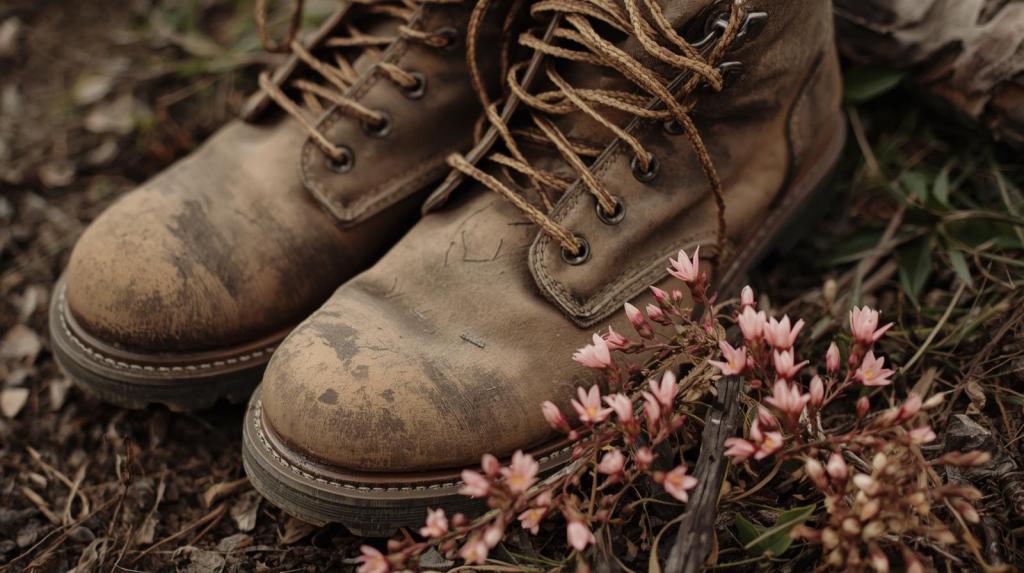
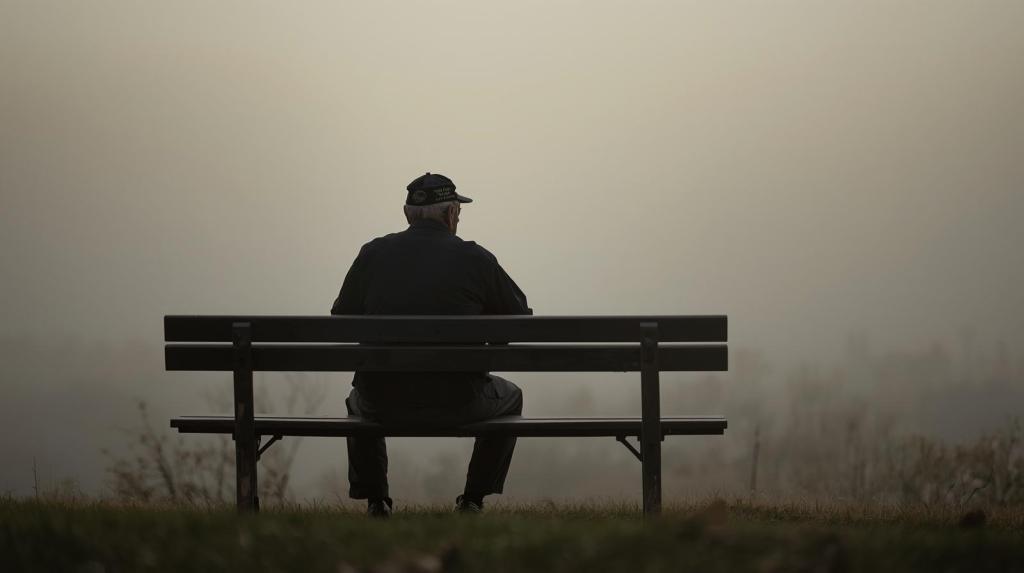
When I think about veterans, I think about bravery and sacrifice, but I also find myself wondering about the parts we don’t see. The quiet moments. The memories that follow them home. The pain that doesn’t show up on the outside. Many veterans return from service carrying invisible wounds that shape their lives long after the uniform comes off.
This blog is my way of exploring that unseen experience, especially for those living with PTSD, and using the idea of the Pink Marine as a symbol of softness, vulnerability, and humanity within a space where toughness is expected.
Understanding PTSD in Veterans
Healing isn’t always visible. Post-Traumatic Stress Disorder (PTSD) develops when the nervous system remains trapped in survival mode long after the danger has passed. For veterans, this can show up as: Nightmares and flashbacks Hypervigilance and anxiety Emotional numbness or detachment Sudden anger or irritability Difficulty sleeping and focusing
These symptoms don’t mean a veteran is weak. They mean their body and mind are still trying to protect them from past trauma.
The Pink Marine: A Symbol of Hidden Vulnerability
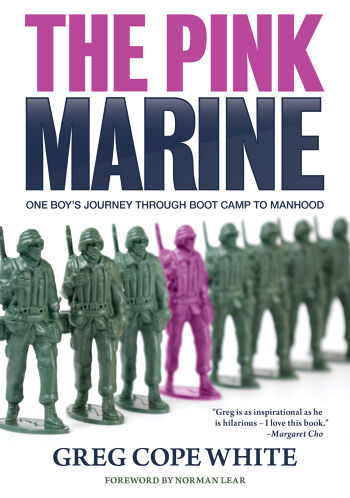
The idea of the Pink Marine also connects to Greg Cope White, author of The Pink Marine, whose story explores identity, military culture, and the emotional layers beneath uniformed strength. The inspiration for this symbol first came from the show Boots, where the Pink Marine appeared as a contrasting figure to traditional military stereotypes. The character challenged the idea that strength must always look stoic or emotionless, opening the door for a conversation about softness, identity, and unseen emotional battles. The Pink Marine represents a gentle challenge to the traditional image of what a soldier is expected to be. Pink, a color associated with softness, sensitivity, and compassion, stands in contrast to the rigid idea of strength that military culture often demands. By pairing this unexpected softness with the image of a Marine, the symbol reminds us that every veteran has a human side, one with emotions, memories, and vulnerabilities that deserve space.
This symbol reminds us that emotional expression is not weakness, and that healing begins when someone feels safe enough to be seen.

The Cost of Silence
Many veterans are conditioned to suppress their emotions, believing they must remain strong at all costs. This pressure can delay treatment, deepen isolation, and worsen PTSD symptoms. When vulnerability is discouraged, healing becomes harder to access.
By normalizing emotional expression and mental health care, we create space for veterans to rebuild trust within themselves and the world around them.
Healing Beyond the Battlefield
Recovery is not linear. Therapy, community support, creative expression, and trauma-informed care help veterans reconnect with their identity beyond war. Healing is not about forgetting, it is about learning how to live safely again.
The Pink Marine stands as a quiet reminder that even the strongest warriors deserve gentleness, compassion, and room to feel human.
Reflection
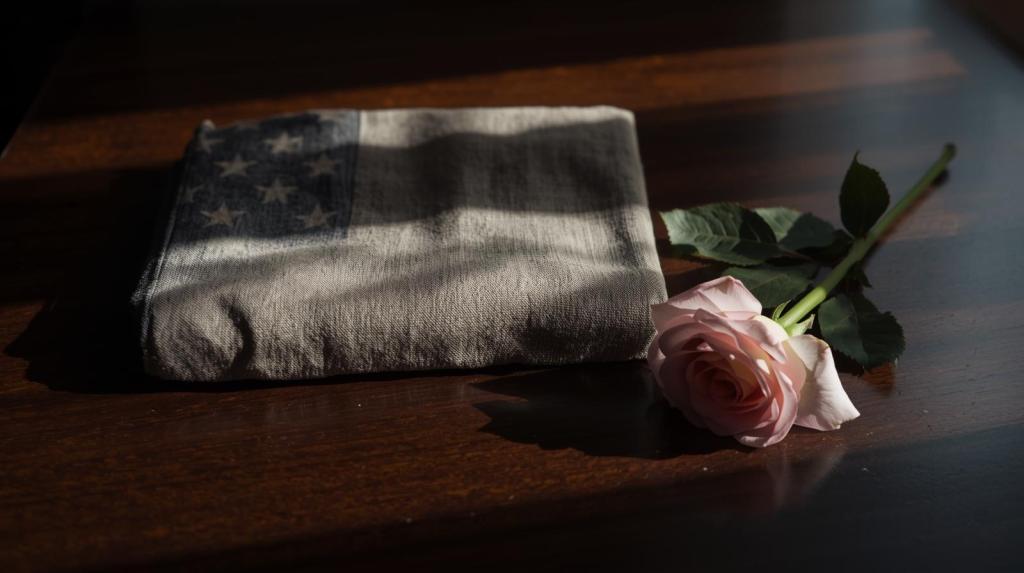
Behind every uniform is a person who once laughed freely, loved deeply, and carried dreams untouched by war. Veterans deserve to be seen beyond their role as soldiers and honored not only for their service but for their emotional reality. PTSD does not define them, but acknowledging it is part of honoring their journey.
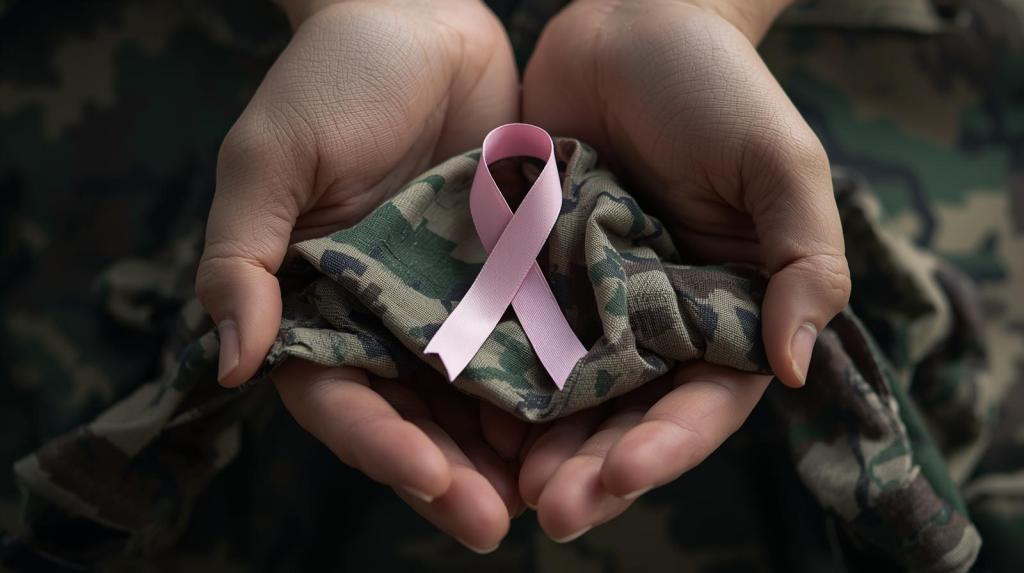
 Behind the Uniform: